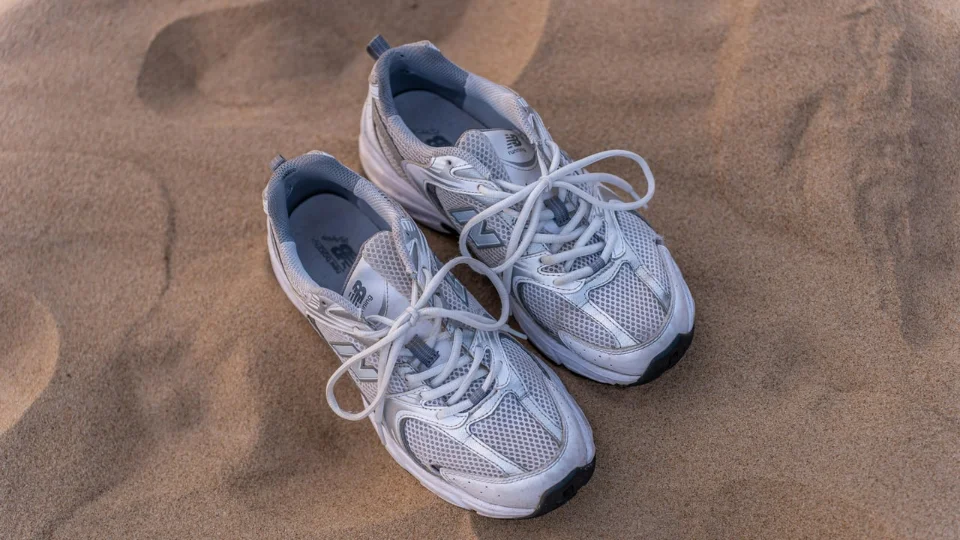
品牌史志2026. 05. 28. 08:05:51New Balance: The Arch Support Company That Survived Every Sneaker EraIn 1906, an Irish immigrant named William Riley opened a company in Boston to make arch supports — and kept a chicken foot on his desk to explain how they worked. In 1972, a 28-year-old named Jim Davis bought the entire six-person operation on Boston Marathon day. What followed was a brand that spent decades being mocked as the "dad shoe" choice while quietly building a loyal customer base, a Made in USA manufacturing identity, and the financial stability to absorb cultural irrelevance — until collaborations with Aimé Leon Dore and others turned New Balance into one of the most coveted names in sneakers. Revenue: $6.5 billion in 2023, still privately held.
品牌史志2026. 05. 27. 08:06:07Glossier: How a Vogue Intern's Beauty Blog Became a $1.8B Unicorn — and Then Didn'tIn 2010, a 24-year-old Vogue fashion assistant launched a beauty blog by photographing people's bathroom shelves. By 2019 the company it spawned was worth $1.2 billion. By 2025, half that. This is Glossier's full story: the blog that created a feedback loop no brand had managed, the unicorn valuation built on a tech-company story around a skincare business, and the 2022–2026 reckoning that followed.
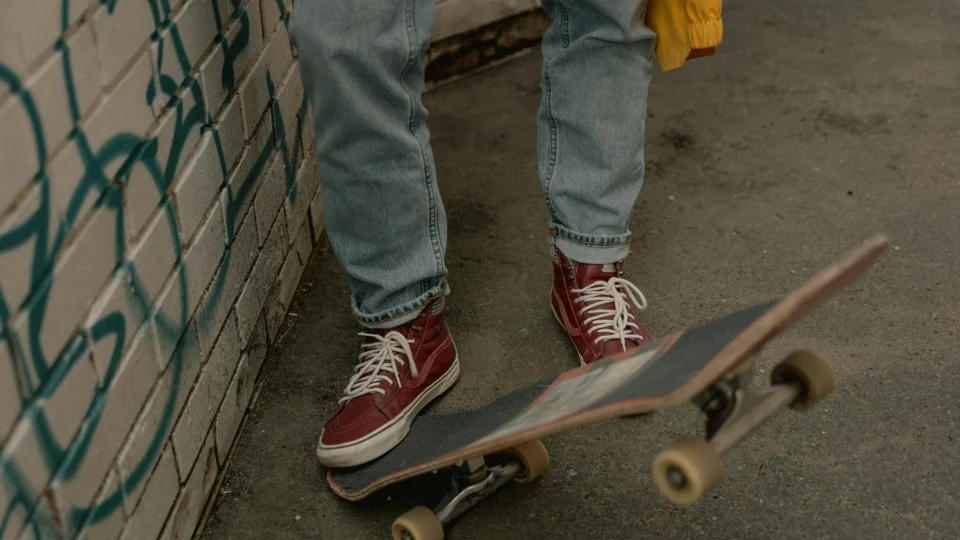
品牌史志2026. 05. 25. 08:08:56Supreme: How a Skater's Inventory Problem Became Fashion's Most Copied Business ModelIn 1994, James Jebbia opened a skate shop on Lafayette Street with no money for inventory. He couldn't keep the shelves full, so he ordered less, sold out, and made something different next week. That cash-flow constraint became the drop model — and 30 years later, the brand it built has changed hands three times, shed $600 million in its last sale, and left the entire fashion industry trying to reverse-engineer something that was never designed to be copied.